
Table of content

Guide & Tips
|
Published On:
Jul 21, 2026
|
Last Updated:
July 16, 2026
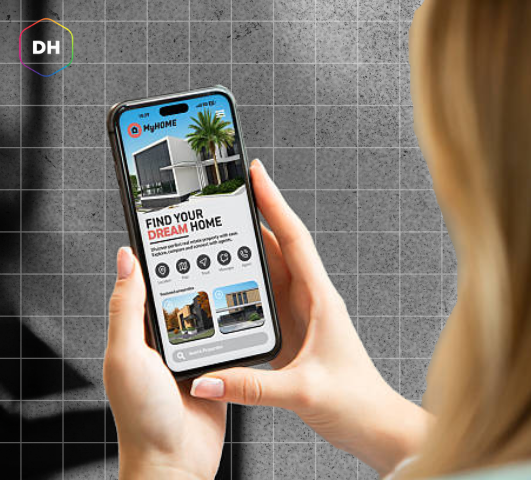
97% of homebuyers use the internet during their home search.
That's not "most buyers." That's basically everyone. And here's the part that should genuinely concern you as a Chicago agent: 69% of visitors bounce off a poorly designed real estate website in under 30 seconds, compared to spending 2+ minutes on a site that's actually built well. Thirty seconds. That's how long you have before someone decides your listings, your brand, and your expertise aren't worth their attention.
Wild, right? But here's the thing that should actually change how you think about your website. High-performing agents report their website generates 30%+ of their leads, compared to just 18% for agents running low-quality or neglected sites.
That's not a small gap. That's the difference between a website that's a digital business card and one that's an actual growth engine for your business. So let's talk about what a Chicago real estate agent's website actually needs to have in 2026 to stop losing leads before they even reach out.
Why Your Website Matters More Than You Think
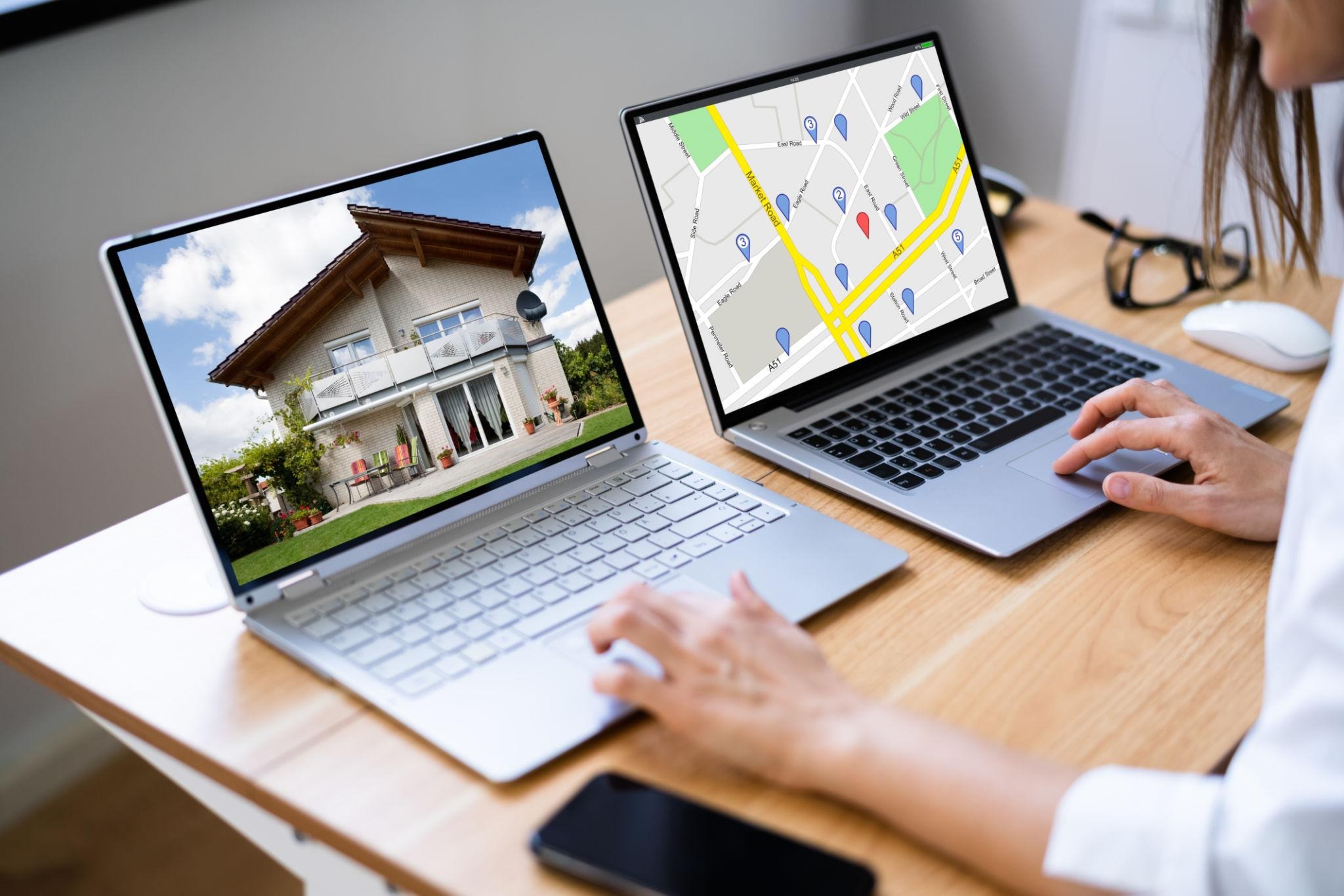
Let's get real for a second. You probably assume Zillow and Realtor are doing the heavy lifting for you. And sure, they matter. But here's what most agents miss.
Buyers who contact you directly through your own website are different. They're often further along in the decision process, more serious, and more likely to close. Your own site is where you control the experience, the branding, and the follow-up. A portal listing puts you in a lineup with five other agents. Your website puts you front and center.
And in a market as competitive as Chicago, that distinction matters. You're not just competing with other agents in your neighborhood. You're competing with every polished, mobile-optimized, fast-loading real estate site a buyer scrolls past before landing on yours.
The Non-Negotiable: IDX Integration
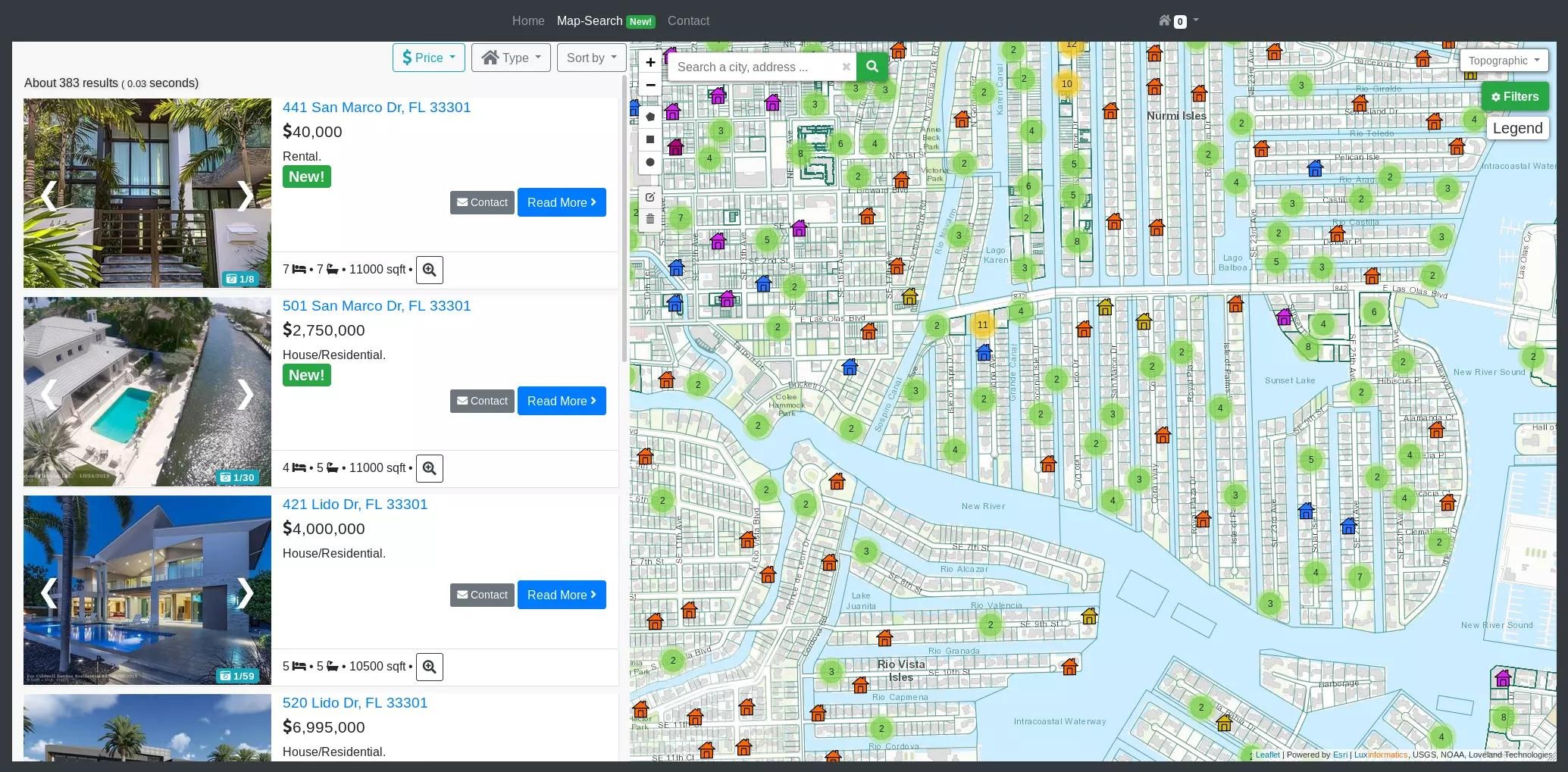
If your site doesn't have IDX, you're leaving money on the table. Full stop.
IDX (Internet Data Exchange) is what lets you display live MLS listings directly on your own website instead of just your personal listings. Without it, buyers have zero reason to stay on your site. They'll bounce straight to Zillow.
Here's why this matters so much:
- Agents with IDX integration report higher buyer engagement and longer session times compared to agents without it.
- 44% of homebuyers start their property search online, and IDX is what captures that behavior on a site you actually control.
- IDX platforms in 2026 refresh listing data hourly or faster, meaning your site reflects live status changes almost in real time.
- A crawlable IDX setup improves your search engine visibility. Individual property pages that Google can actually index are a real SEO advantage most agents ignore.
- Native CRM integration with your IDX means leads captured on your site flow directly into your follow-up system, with their search history attached.
Skip IDX, and your website becomes exactly what it used to be back in 2010: a digital business card nobody actually uses.
Mobile-First Design Isn't Optional Anymore
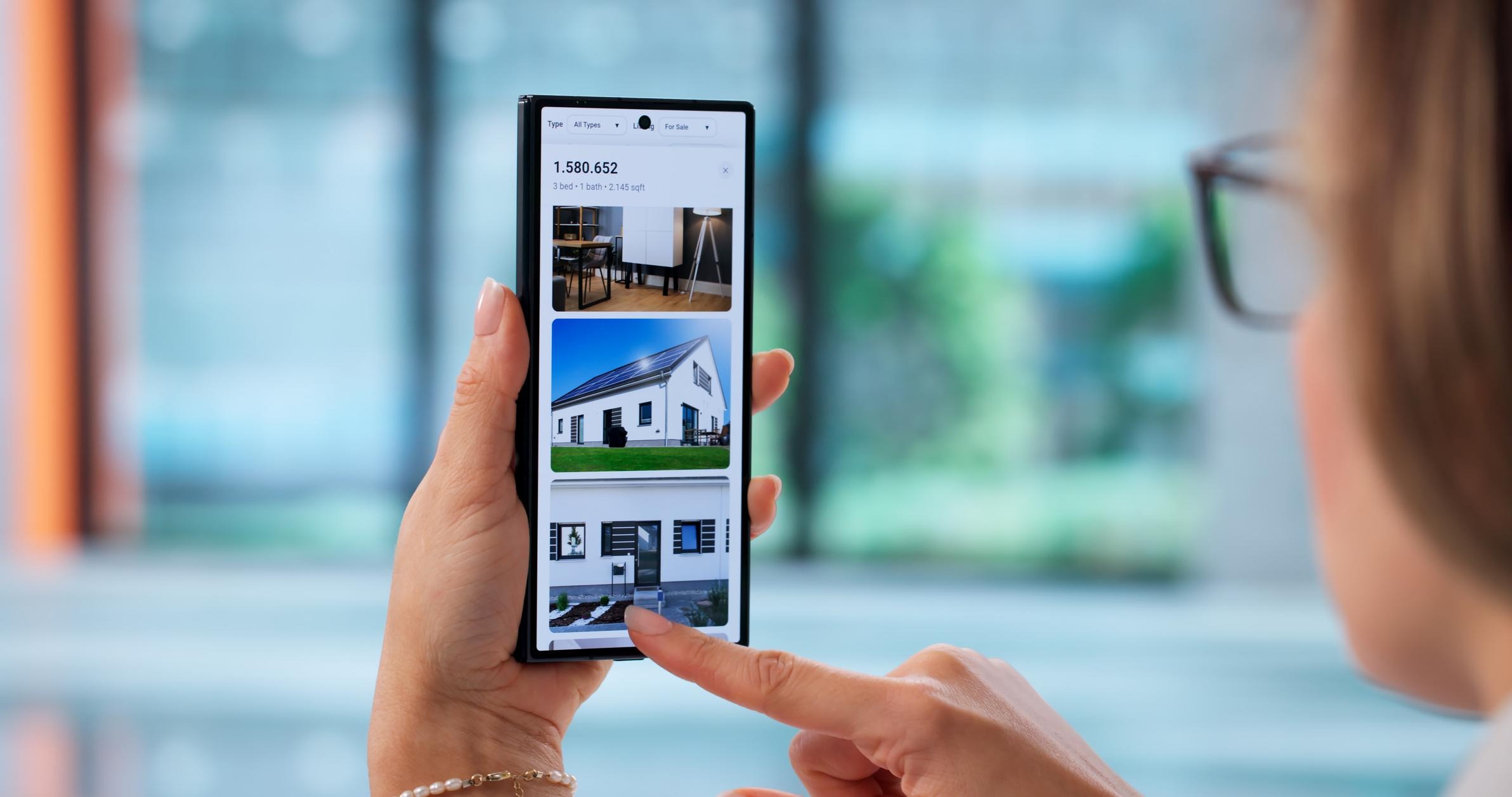
Here's a number that should stop you in your tracks: 76% of buyers begin their property search on a mobile device. Over 60% of all property searches happen on mobile.
If your site was designed for desktop and just "adapted" for mobile, buyers can feel it. It's clunky. It's slow. And they leave.
Chicago website development for real estate has to be built mobile-first, not mobile-adjusted. That means:
- Fast load times, even on spotty cell connections between the Loop and the suburbs.
- Property search and filters that work smoothly with a thumb, not a mouse.
- Photos and virtual tours that render properly without eating someone's data plan.
- Click-to-call buttons that are actually usable, not buried in a menu three taps deep.
- Forms that don't require pinching and zooming to fill out.
Buyers judge your professionalism in the first few seconds on their phone. A site that struggles on mobile signals that your entire operation might struggle too, even if that's not remotely true.
Visual Content: Photos, Video, and Virtual Tours
You already know good photos matter. But the data on this is more extreme than most agents realize.
Listings with video generate 403% more inquiries than listings without video. 403%. And homes marketed with video sell for an average of 6% more than homes marketed without it. On a $450,000 Chicago listing, that's an extra $27,000 just from adding video to your marketing.
87% of buyers want to see photos or videos of a property before visiting in person. And 68% of buyers prefer listings with virtual tours or 3D walkthroughs over standard photo galleries alone.
Your website needs to support this properly:
- High-resolution photo galleries that load fast, not compressed thumbnails that look amateur.
- Embedded video walkthroughs on every listing page, not just a link out to YouTube.
- 3D virtual tour integration (Matterport or similar) built directly into your property pages.
- Neighborhood and lifestyle video content that shows off what makes Chicago's different pockets, Lincoln Park, Wicker Park, the South Loop, genuinely distinct.
Only 26% of agents consistently use video for every listing right now. That gap is your opportunity.
Fast, Frictionless Lead Capture
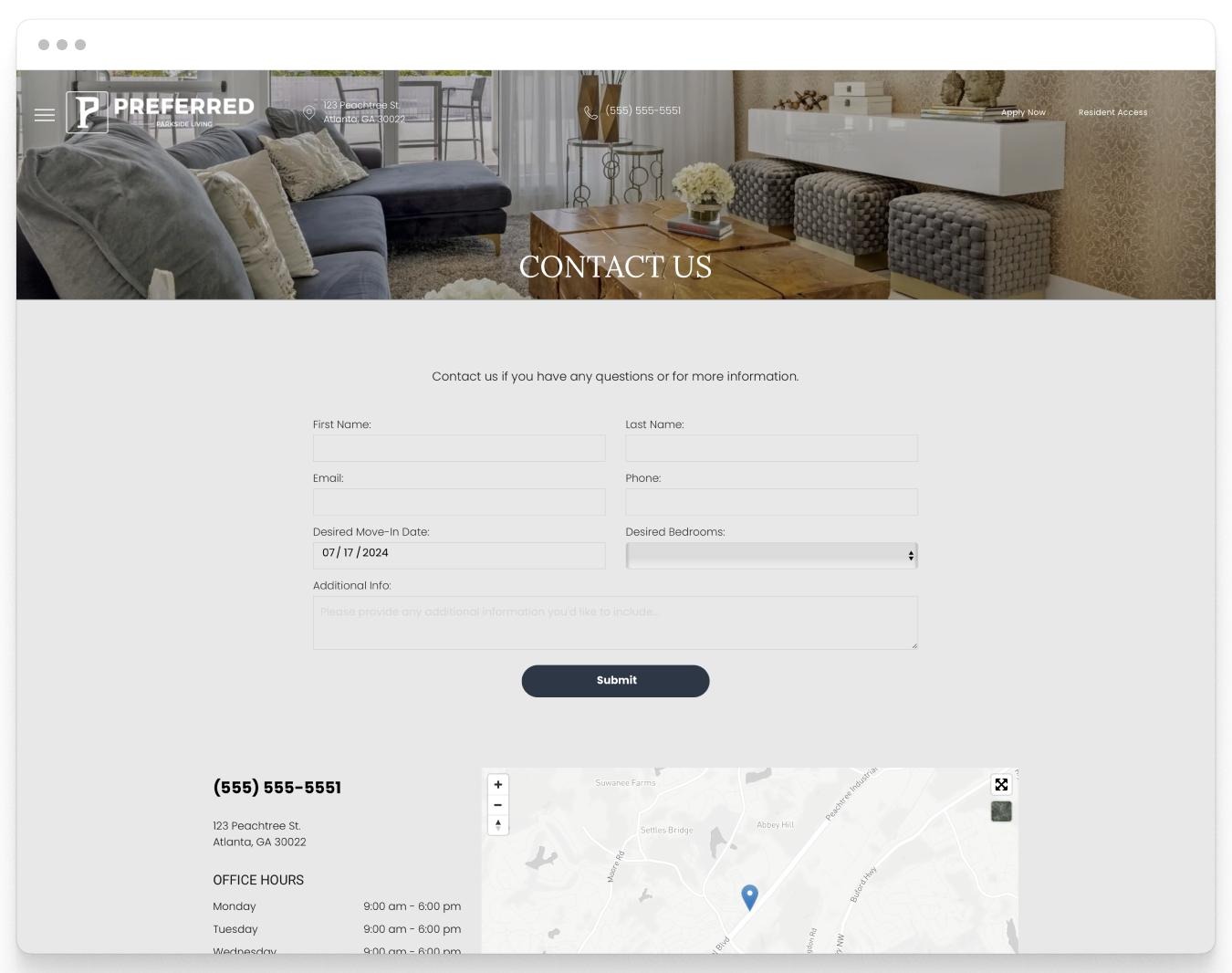
Here's a stat that should make you nervous: 78% of buyers go with the first agent to respond to their inquiry. Not the best agent. The fastest one.
Your website's lead capture needs to be built for speed and simplicity, because every extra form field is a chance for someone to abandon the whole thing.
What actually converts:
- Short forms. Name, phone, email. That's often enough. Save the extensive qualifying questions for the actual phone call.
- Saved search and email alert functionality so buyers who aren't ready to call yet still stay engaged with your site over time.
- Live chat or an AI-driven chat widget that can answer basic questions instantly, since immediate response matters enormously to buyer behavior.
- Click-to-schedule tools (Calendly-style integrations) that let serious buyers book a showing without a back-and-forth phone tag situation.
- Clear, visible contact information on every single page, not buried in a footer nobody scrolls to.
Speed to lead isn't a nice-to-have anymore. It's the difference between closing the deal and watching a competitor close it instead.
Local SEO Built for Chicago Neighborhoods
This is where a lot of agent websites completely fall apart. SEO drives 53% of website traffic for real estate agents, and yet most agent sites are built with zero real SEO strategy behind them.
Chicago website design for real estate agents needs neighborhood-level SEO specificity, not generic city-wide targeting. Buyers aren't searching for "Chicago real estate agent." They're searching "condos for sale in Logan Square" or "3 bedroom homes in River North."
What this looks like in practice:
- Individual, indexable landing pages for neighborhoods you serve, with genuinely useful local content, not thin filler pages.
- Schema markup on property listings so search engines understand exactly what they're looking at.
- Optimized meta titles and descriptions on every listing page, not just your homepage.
- Content that speaks to local buyer concerns: school districts, commute times, property tax nuances specific to Cook County.
- A blog or resource section that builds ongoing authority around your specific market segments.
Agents who invest in this kind of technical SEO foundation consistently outrank the ones who don't, especially at the neighborhood level where competition is thinner and buyer intent is stronger.
User Experience Is a Trust Signal

Here's something most agents don't think about: your website's design quality is doing silent work on your credibility before a buyer ever talks to you.
A cluttered, dated, confusing site subtly tells a buyer you might be cluttered, dated, or confusing to work with. Fair or not, that's how people process design.
This is exactly where working with a ui ux design agency for real estate Chicago businesses actually trust makes a measurable difference. Good UX isn't about making things look pretty. It's about removing every point of friction between a curious visitor and an actual conversation with you.
That includes:
- Clean, intuitive navigation that gets someone to a property search in one click, not four.
- Consistent branding across every page, so your site feels like one cohesive experience rather than a patchwork of add-on tools.
- Accessible design that works for every visitor, including those using screen readers or navigating without a mouse.
- Clear visual hierarchy that guides the eye toward listings, CTAs, and contact options naturally.
If you're serious about building a site that earns trust at first glance, our UI/UX design services are built specifically around this kind of experience-first thinking.
Social Proof and Local Credibility
74% of buyers prioritize an agent's reputation in their local community when making a decision. Your website needs to actively demonstrate that reputation, not just assume buyers already know it.
Include:
- Client testimonials with real names and, ideally, neighborhoods they bought or sold in.
- Recent sales and closed deals showcased prominently, especially ones in the specific areas you're targeting.
- Any local media mentions, community involvement, or brokerage recognition.
- Reviews pulled directly from Google and Zillow, embedded on your site rather than requiring a click-away.
Trust signals like these do real work in a market where 91% of sellers still choose to work with an agent rather than going FSBO, and reputation is consistently cited as a top deciding factor.
Your Website Should Work as Hard as You Do
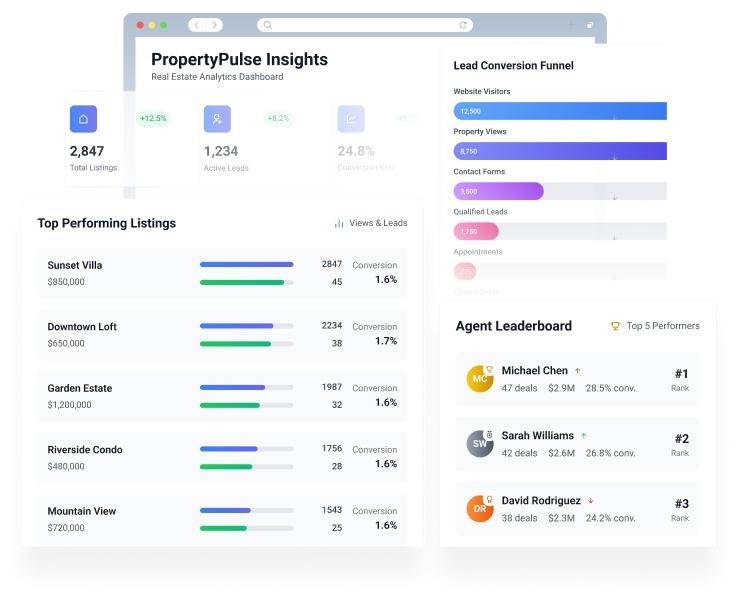
Chicago's real estate market doesn't slow down, and neither should your website. The agents winning right now aren't necessarily working harder. They're the ones whose websites are doing real work for them: capturing leads fast, showing up in local search, and building trust before the first phone call even happens.
If your current site is more digital business card than lead generation engine, it might be time for a real conversation about what it should actually be doing for your business.
Design Henge is a digital agency Chicago real estate professionals trust for websites built to convert, not just exist. We handle website design Chicago agents and brokerages actually need: IDX-ready builds, mobile-first development, local SEO, and design that reflects the market you're serving.
FAQs About Chicago Real Estate Agent Website Must-Haves
Do real estate agents in Chicago really need their own website if they're already on Zillow and Realtor?
Yes. Portal sites put you in direct competition with every other agent viewing the same listing, and they don't give you full control over the buyer's experience or your branding. Buyers who reach out through an agent's own website tend to be further along and more likely to close, and your own site is the only place where your follow-up system, your branding, and your lead capture all work together instead of being controlled by a third party.
What's the most important feature a Chicago real estate website needs in 2026?
IDX integration is the clearest non-negotiable. Without live MLS data on your own site, buyers have almost no reason to stay once they've found your homepage. Beyond that, mobile-first design and fast load times matter enormously, since the majority of property searches now start and often finish on a phone.
How much does a professional real estate agent website cost in Chicago?
Costs vary significantly depending on whether you're using a semi-custom IDX platform, a WordPress-based build with a plugin, or a fully custom site built by a digital agency. Standalone IDX tools alone start around $50 to $100 per month, while a genuinely custom-designed website with integrated IDX, CRM, and SEO architecture typically involves a larger upfront investment plus ongoing hosting and maintenance costs.
Should my Chicago real estate website focus on the whole city or specific neighborhoods?
Specific neighborhoods, almost always. Buyers rarely search "Chicago real estate agent." They search for the specific area they're interested in, whether that's Logan Square, Bucktown, or the South Loop. Building dedicated, genuinely useful content around the neighborhoods you actually work in gives you a real SEO advantage over agents targeting the entire city broadly.
How often should my real estate website be updated?
Your IDX listings should update automatically and frequently, ideally close to real time through your provider. Beyond that, your broader site content, neighborhood guides, market reports, testimonials, should be refreshed at least quarterly to stay relevant and to keep signaling to search engines that your site is active. A site that hasn't been touched in two years reads as neglected to both buyers and search algorithms.