Table of content

Guide & Tips
|
Published On:
Sep 17, 2026
|
Last Updated:
September 17, 2026
94% of first impressions of a website are design-related. Not the product. Not the price. The design, formed in under 50 milliseconds.
Here's a number that should stop you. Every $1 invested in UX design returns up to $100, a 9,900% ROI according to Forrester Research. That's not a typo, and it's not a projection either. That's a documented benchmark businesses have been citing for years, and it's still holding up in 2026.
So if you've heard "UI/UX" thrown around in a meeting and nodded along without fully knowing what it actually means, this is for you. Let's break down what UI and UX actually are in software, why they're not interchangeable, and why the difference genuinely affects your bottom line.
UI and UX Are Not the Same Thing, Even Though Everyone Says Them Together
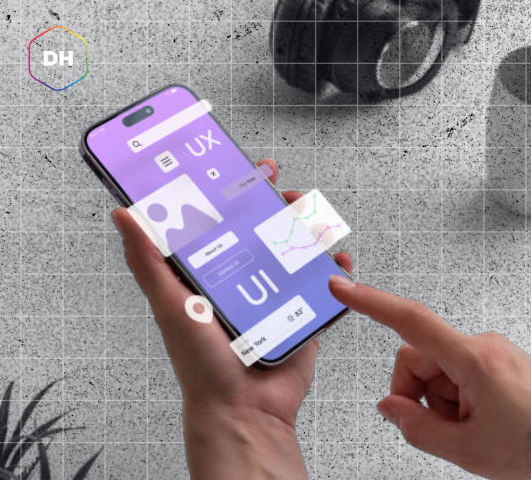
Here's the confusion right up front. UI stands for User Interface. UX stands for User Experience. People say "UI/UX" as one phrase so often that it starts to sound like a single concept. It's not.
Think of it this way. UI is what a piece of software looks like, the buttons, the colors, the layout, the fonts. UX is how it feels to actually use it, whether a task takes three seconds or three minutes, whether you feel confident or confused clicking through a checkout flow.
- UI is visual and tactile. It's every screen, icon, color, and interaction element you can literally point to.
- UX is experiential and structural. It's the flow, the logic, the sequence of steps someone takes to get something done.
- You can have a great UI with terrible UX, a beautiful app that's genuinely confusing to navigate.
- You can also have solid UX with weak UI, software that's easy to use but looks dated or unpolished.
- The best software gets both right at the same time, which is exactly why UI UX design & development services typically handle them as one connected discipline rather than two separate jobs.
What UI Actually Covers in a Software Product
UI design is the visible, interactive layer of software. Everything a user sees on screen and everything they physically tap, click, or swipe falls under this umbrella.
- Visual hierarchy, what draws the eye first and what fades into the background.
- Typography choices including font size, weight and spacing for readability.
- Color systems both for branding and for functional cues like error states or success confirmations.
- Button design iconography, and interactive elements that respond to user input.
- Layout and grid structure that keeps a screen organized instead of cluttered.
- Responsive design that adapts cleanly across desktop, tablet and mobile screens.
A well-designed user interface raises conversion rates by 200%, according to Forrester data. That's not a small edge. That's the difference between a product that converts casual visitors and one that loses them before they even understand what's on offer.
What UX Actually Covers in a Software Product
UX design is the invisible architecture behind the interface. It's less about what things look like and more about whether the entire experience makes sense from start to finish.
- User research, understanding who's actually using the software and what they're trying to accomplish.
- Information architecture, how content and features are organized and labeled.
- User flows and journey mapping, tracing every step someone takes to complete a task.
- Wireframing and prototyping, testing structure and logic before visual design ever begins.
- Usability testing, watching real users interact with a product to catch friction points early.
- Accessibility, making sure software genuinely works for people using screen readers or alternative input methods.
A superior user experience can increase conversions by up to 400%, per Forrester's research. That gap between UI's 200% and UX's 400% isn't a coincidence. It reflects how much more weight the underlying structure carries compared to surface polish alone.
Why This Distinction Actually Matters for Your Business
Here's where this stops being a design school lecture and starts being a business conversation.
83% of consumers expect a seamless experience across all devices now. That's not a UI expectation or a UX expectation specifically, it's both working together simultaneously. If your mobile app looks polished but the checkout flow takes eight steps, you've nailed the UI and failed the UX.
- Companies with top design scores achieve 32% faster revenue growth and 56% higher total returns to shareholders compared to industry peers, according to McKinsey's design tracking research.
- 88% of users say they won't return to a site after a bad experience. That's not a second chance you get.
- A 10% increase in UX investment can drive conversion rates up by as much as 83%, per the Interaction Design Foundation.
- Redesigning a checkout experience specifically can lift conversion rates by an average of 35.26% for large e-commerce sites.
- Companies that test continuously with real users achieve 2.4x higher conversion rates than those testing sporadically.
None of that happens by accident. It happens because someone deliberately separated the visual work from the structural work, then made sure both were genuinely solid before launch.
How UI and UX Actually Work Together in Practice
In a real software project, these two disciplines aren't sequential steps you check off in order. They inform each other constantly.
A UX designer might map out a user flow for signing up to a new app, deciding the sign-up should take three steps instead of six. That structural decision then shapes what the UI designer builds, since fewer steps means different screen layouts, different button placement, different visual pacing.
- UX research often happens first understanding the problem before designing a solution to it.
- Wireframes typically come next low-fidelity sketches that map structure without visual polish.
- UI design builds on top of that structure, applying color, typography and interactive elements.
- Prototyping and usability testing loop back through both disciplines before a single line of code gets written for the final product.
- Development translates the finished design into working software, ideally with designers and developers still talking to each other throughout.
Firms that treat this as one integrated process, rather than handing a static UI mockup to developers and hoping the UX holds up, consistently produce better software. That's exactly why working with a genuine UI UX development company matters more than picking a freelancer who only does one half of the job.
Common Misconceptions Worth Clearing Up
A few things people get wrong about UI and UX regularly, worth addressing directly.
- UI/UX design just means making things pretty: It doesn't. Structural decisions about how software works matter far more to conversion than color choices alone.
- You can add UX later after the UI is built: You genuinely can't do this well. Retrofitting structural fixes onto a finished visual design is far more expensive than designing both together from the start.
- Good UX means minimal design: Not accurate UX is about clarity and ease of use, which sometimes requires more visual information, not less.
- Only apps and websites need UX design: Software products of every kind, internal tools, dashboards, SaaS platforms, all benefit from the same principles.
- UX research is optional if the team has good instincts: Instincts miss things real user testing catches. The cost of fixing a usability problem during development runs roughly 10 times higher than catching it during design.
What to Look For in UI/UX Design Services
If you're evaluating UX design services or UI design services for a software project, a few things separate genuinely capable teams from ones just producing pretty mockups.
- Ask whether user research happens before any visual design work begins.
- Look for a portfolio that shows wireframes and user flows, not just polished final screens.
- Confirm they test with real users not just internal team members reviewing their own work.
- Check whether accessibility is built in from the start rather than treated as an afterthought.
- Make sure designers and developers actually communicate throughout the project, not just at handoff.
Our UI/UX design services at Design Henge are built around exactly this integrated approach, treating structure and visual design as one connected process rather than two separate deliverables.
Good Software Starts With Understanding Both Sides
UI and UX aren't interchangeable buzzwords, and treating them that way is exactly how software projects end up looking polished on the surface while quietly frustrating the people trying to use them.
Design Henge builds software and experience design where the structure and the visual design work together from day one, not as an afterthought bolted on before launch. If you're building or rebuilding a digital product and want both sides handled properly, let's talk.
FAQs About UI/UX
What's the simplest way to explain the difference between UI and UX?
UI is what software looks like. UX is how it feels to actually use it. A banking app with a beautiful, colorful interface still has poor UX if transferring money takes ten confusing steps. Both need to work together, since great UI without solid UX still frustrates users and great UX with weak UI still looks unprofessional and untrustworthy.
Do small software projects really need dedicated UI/UX design or is that only for big companies?
Every software product benefits from it regardless of size. Even a simple app or a small business website sees measurable gains from thoughtful UI/UX design, since 94% of first impressions are design-related regardless of company size. Skipping this step early often costs more later since retrofitting structural fixes after launch is significantly more expensive than designing correctly from the start.
How long does a typical UI/UX design process take for a software product?
It depends heavily on scope but a reasonable range for a moderately complex application runs anywhere from 6 to 16 weeks, covering research, wireframing, prototyping, visual design, and usability testing. Larger more complex software projects, especially those with multiple user roles or workflows, can take longer. Rushing this phase to save time typically costs more later in development rework.
Can AI tools replace human UI/UX designers now?
Not entirely though AI is changing parts of the process. AI-powered tools can now generate initial UI concepts from text prompts and speed up certain workflows significantly but human designers still handle strategy, user research and the judgment calls that determine whether a design decision actually solves a real problem. AI-assisted design tools have shown ROI improvements through faster workflows and fewer handoff errors, but the strategic thinking behind good UX still requires human input.
What questions should I ask before hiring a UI/UX design company?
Ask whether their process includes user research before visual design begins, request to see wireframes or user flow documentation from past projects not just polished final screens and confirm how they test designs with real users before development starts. A team that can only show you finished mockups without explaining the structural thinking behind them is likely offering UI work without genuine UX depth behind it.